
Common Symptoms & Local Failure Causes in Ontario
Plumbing failures in Ontario and the Inland Empire are frequently triggered by regional environmental factors: mineral-dense tap water (averaging 138–180 ppm CaCO₃), slab-on-grade concrete foundations, and expansive clay soils that shift between wet winter rains and hot summer droughts.
- Unexplained warm or hot patches on carpet, tile, or hardwood flooring
- The distinct sound of water running or hissing under the floor when all faucets are turned off
- A sudden, unexplained surge on your City of Ontario municipal water utility bill
- The water meter's low-flow leak detection dial continuously spinning with fixtures dormant
- Damp baseboards, peeling paint, or mold odor developing along interior partition walls
- Noticeable drop in domestic hot water pressure during shower use
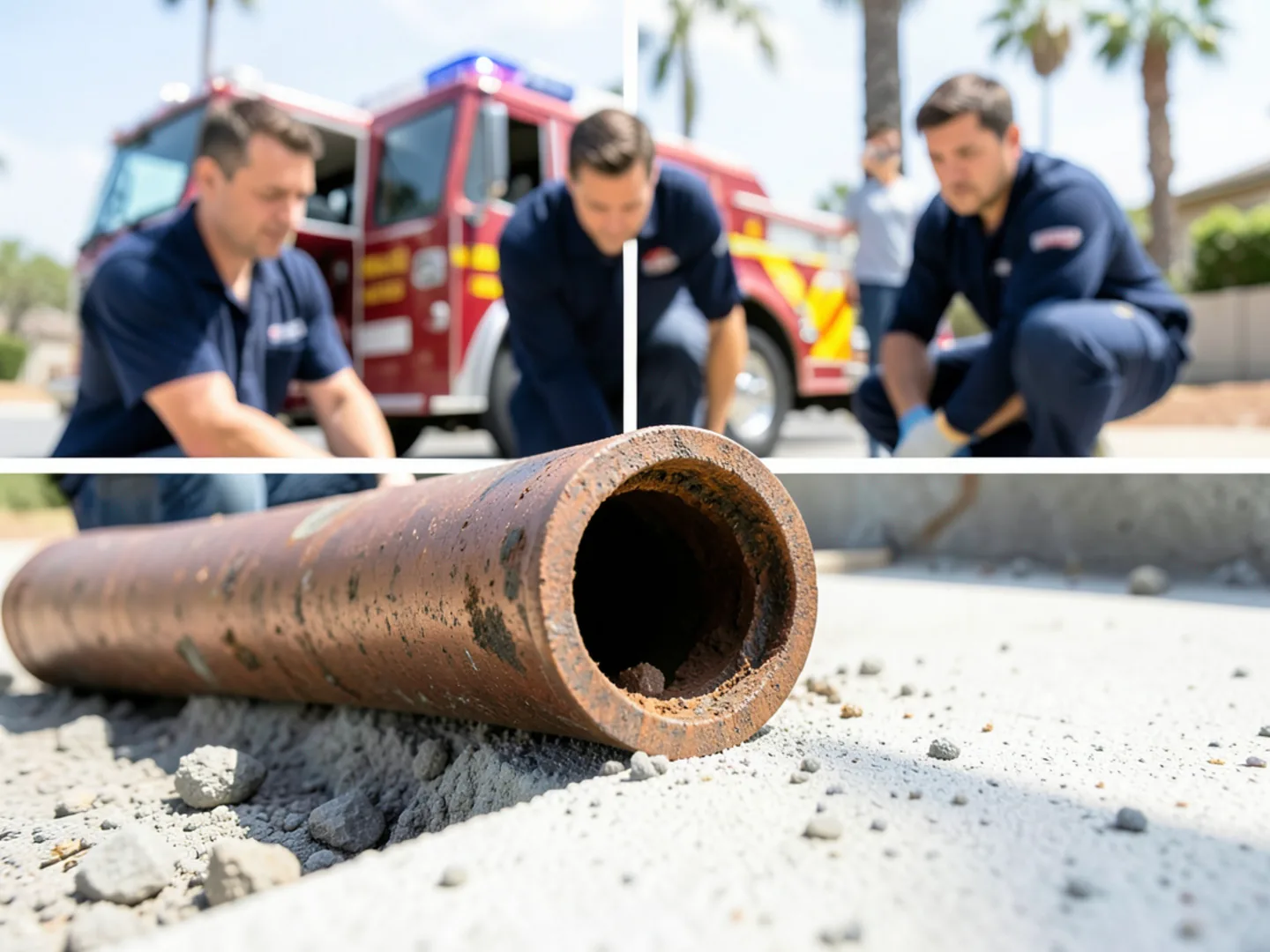
- Inland Empire hard water (averaging 138 ppm CaCO₃) reacting electrochemically with copper pipe walls
- Expansive alluvial clay soil swelling and shrinking during seasonal rain cycles, shearing buried pipes
- Coarse gravel and aggregate under the slab rubbing against copper tubing during thermal expansion cycles
- Improper original reaming of copper tube ends during 1970s–1990s construction, creating water turbulence erosion
- Electrolysis corrosion caused by dissimilar metals or un-sleeved copper contacting concrete rebar
What the Contractor Inspects on Arrival
Before recommending pipe replacements or structural alterations, an independent plumbing contractor performs a multi-point diagnostic evaluation using calibrated trade instruments:
Step 1Water Meter Flow Rate Verification
The contractor inspects the municipal water meter to measure volume loss per minute when all building fixtures are shut down.
Step 2Manifold Pressure Isolation
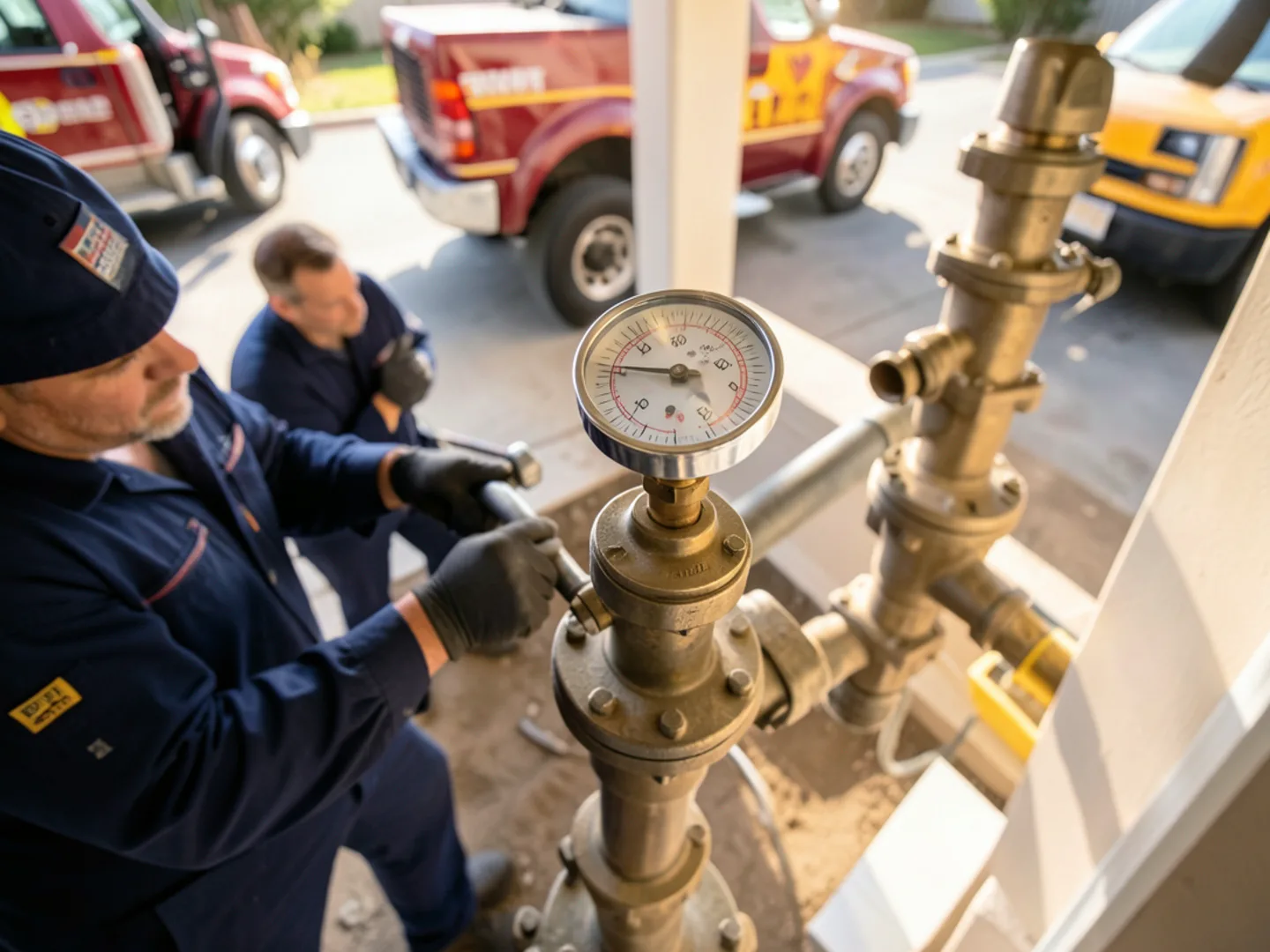
Isolating hot vs. cold plumbing manifolds with precision pressure test gauges confirms which loop has suffered structural failure.
Step 3Thermal Infrared Imaging
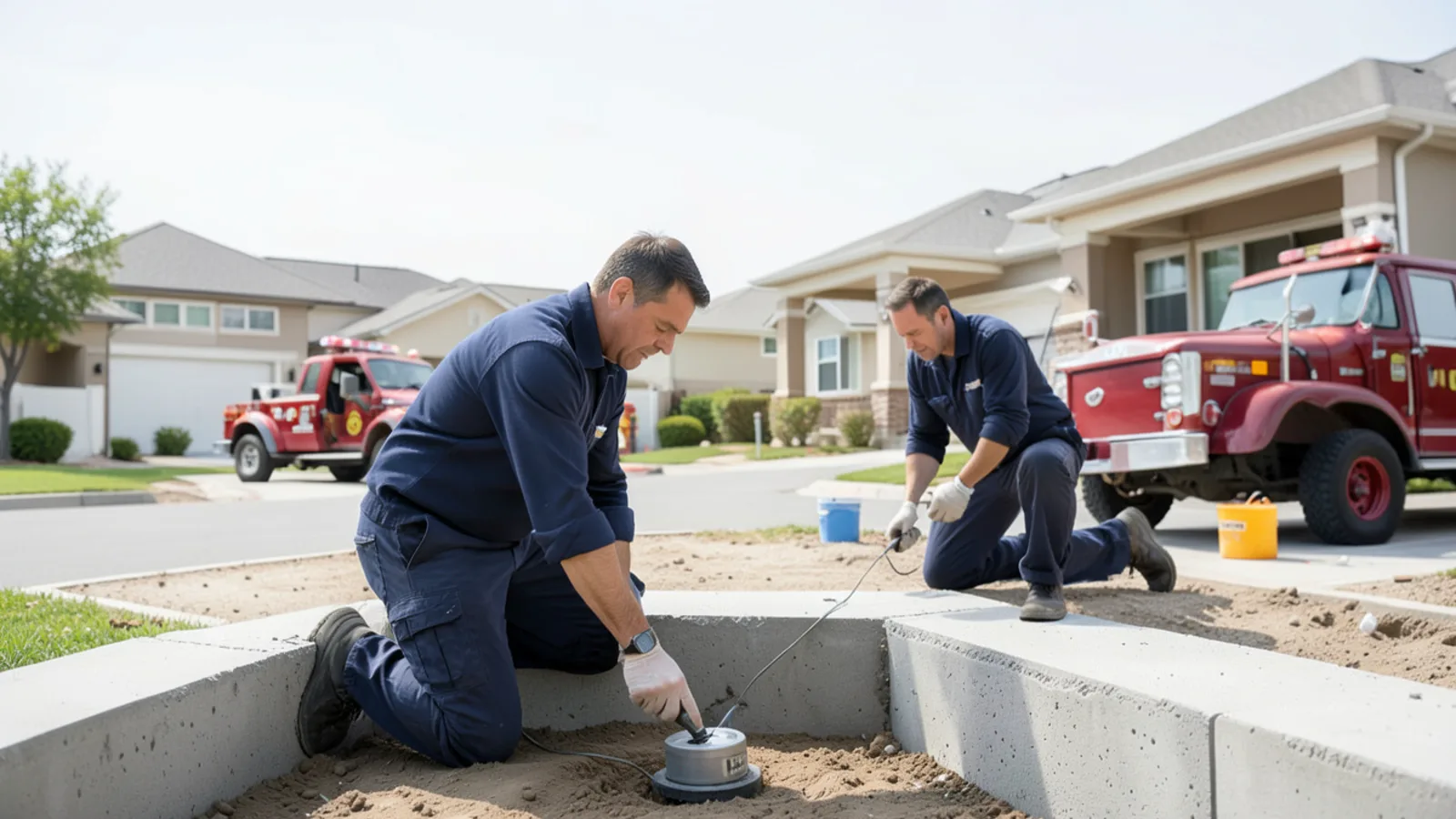
High-resolution infrared cameras detect thermal heat plumes migrating upward through the concrete foundation from leaking hot water lines.
Step 4Acoustic Ground Microphone Tracing
Electronic listening discs amplify the subterranean frequency of pressurized water escaping through pinholes, pinpointing exact slab coordinates.
Step 5Structural Assessment & Repair Options
The pro assesses whether a direct foundation breakout or an overhead wall/attic reroute is the most durable, cost-effective solution.
Repair Methods & Practical Trade-Offs
Depending on whether your Ontario home has slab-on-grade flooring, historic lath-and-plaster walls, or mature landscaping, contractors evaluate distinct mechanical approaches:
Overhead PEX Supply Reroute
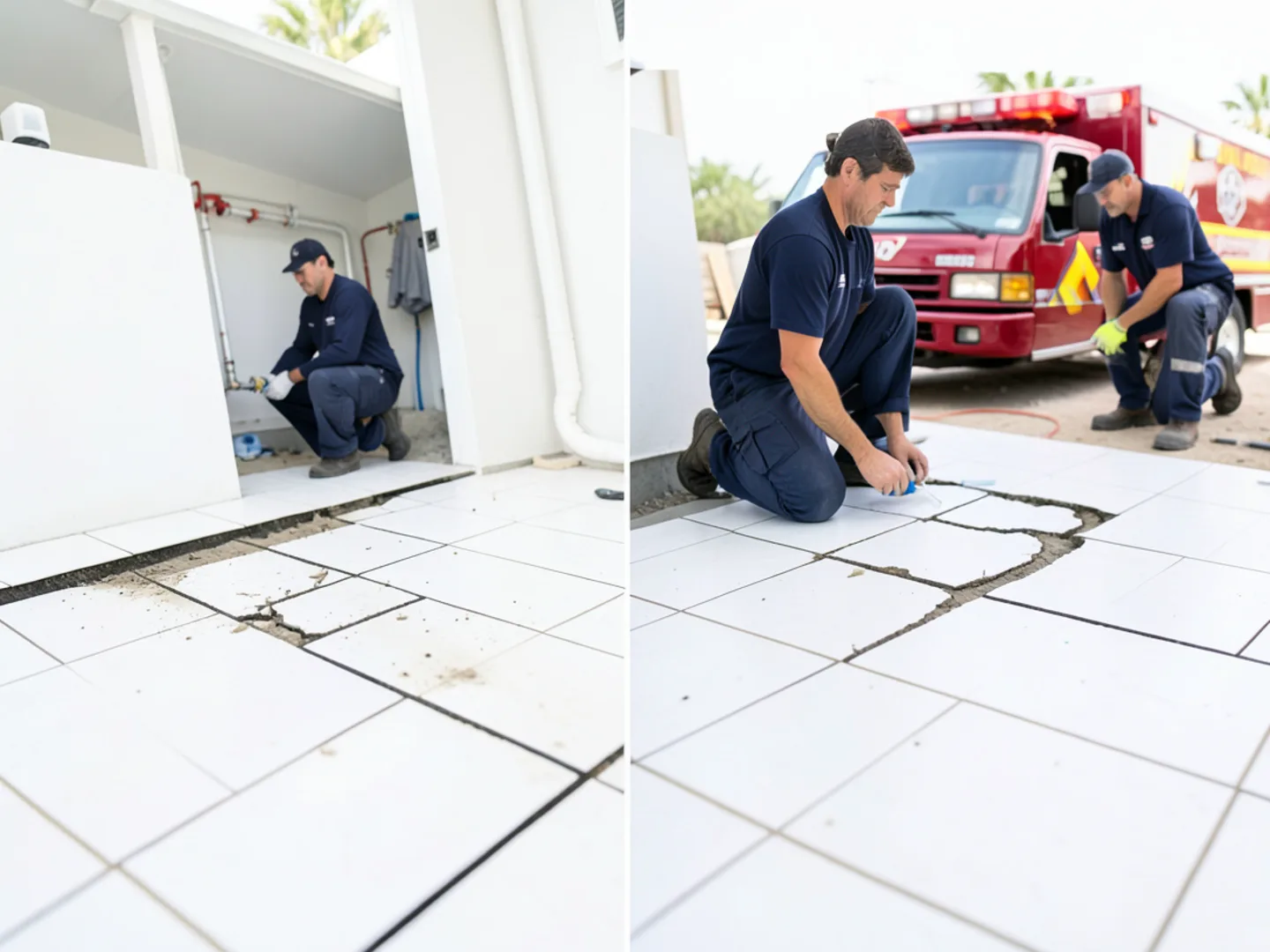
Capping off the damaged under-slab copper line at both ends and running a new, continuous PEX water supply line overhead through attic spaces or interior walls.
Direct Slab Penetration (Spot Repair)
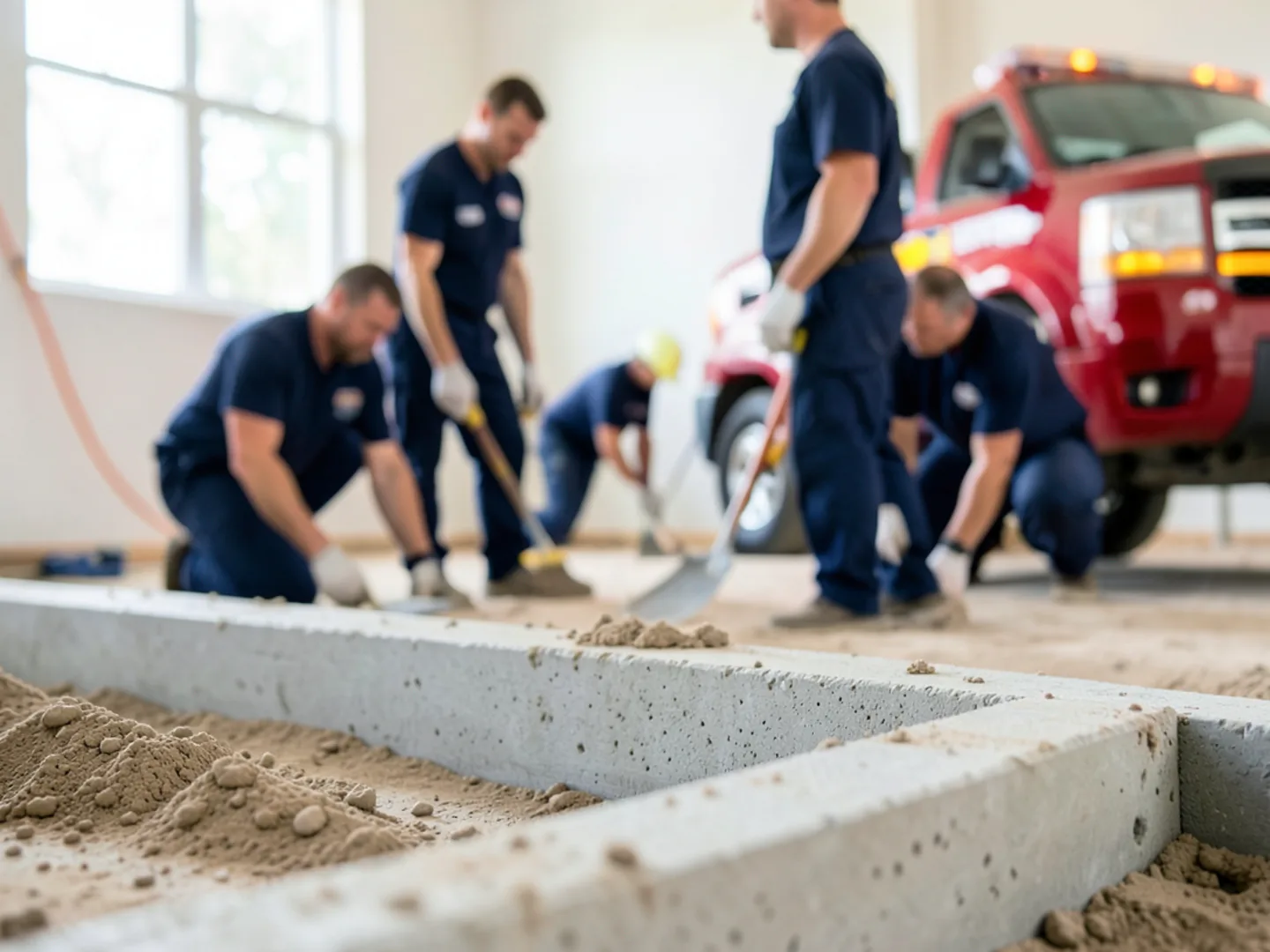
Jackhammering through flooring and concrete slab directly over the leak, excavating gravel, cutting out the pinhole, and soldering a new copper spool.
Epoxy Pipe Barrier Coating
Cleaning the pipe interior with compressed air and injecting an epoxy barrier lining to seal micro-fissures from within.
What Our Slab Leak Repair & Detection Scope Includes in Ontario
Independent local plumbing contractors dispatched through our line provide comprehensive diagnostic, repair, and replacement solutions for slab leak repair & detection:
Electronic Acoustic Ground Listening
Ground microphone and acoustic disc sensors map the high-frequency vibration of pressurized water escaping through pinholes beneath monolithic concrete foundations without exploratory floor cuts.
Infrared Thermal Imaging Sweeps
Calibrated thermal imaging cameras detect surface temperature differentials, highlighting hot water manifold supply leaks migrating upward through tile, laminate, or carpet.
Pressure Decay Manifold Isolation
Hydrostatic test gauges isolate the domestic hot water manifold from the cold line supply, pinpointing exactly which plumbing loop has suffered structural failure.
Overhead PEX-A Supply Rerouting
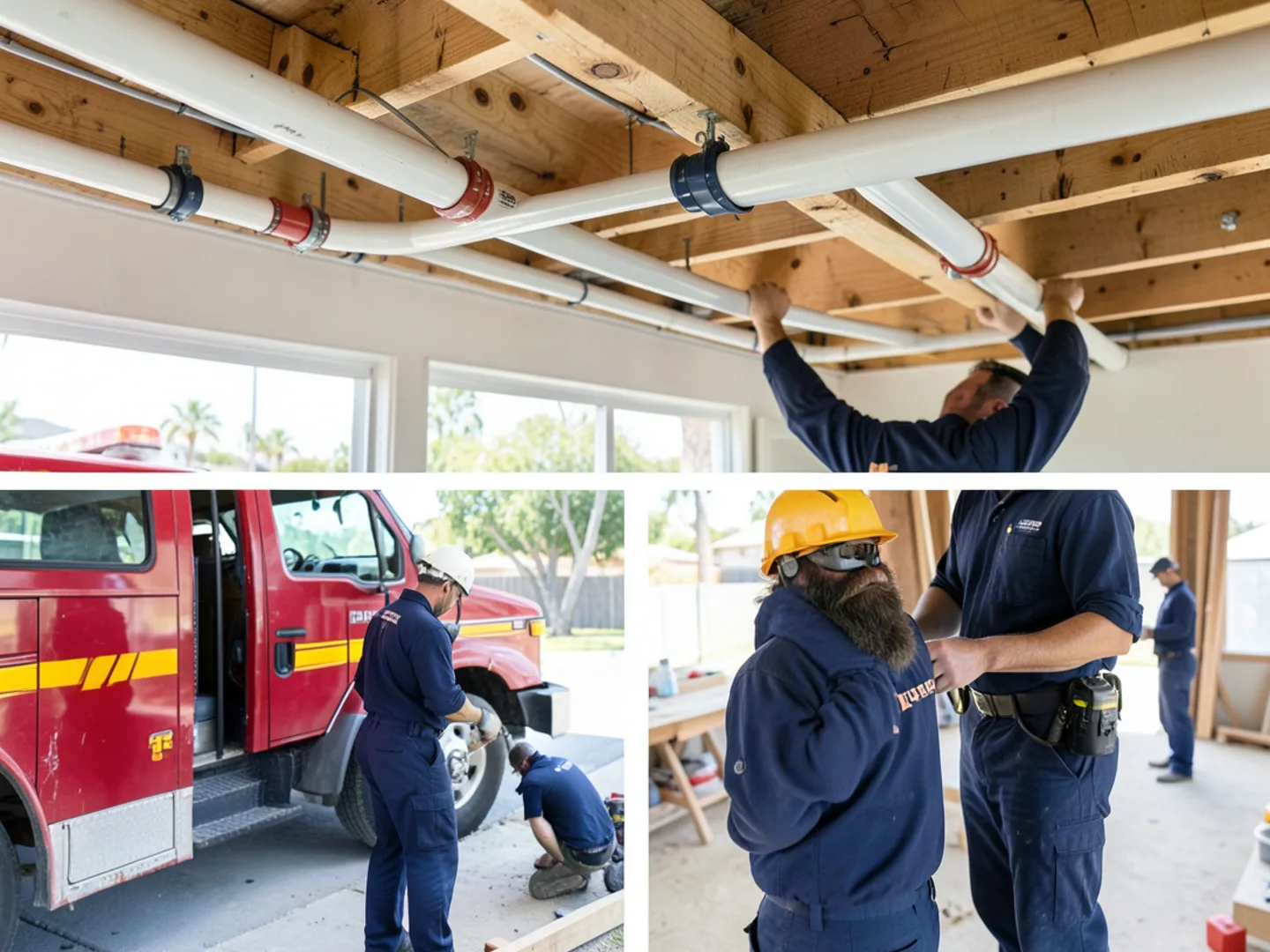
Abandoning compromised copper pipes under the foundation and routing continuous, corrosion-resistant PEX-A tubing overhead through attic framing or interior wall cavities.
Direct Foundation Spot Excavation
Precision concrete penetration directly above verified leak coordinates, excavating sub-base gravel and brazing a code-compliant Type L copper spool with anti-corrosive sleeving.
Hydrostatic Pressure Verification
Post-repair pressure monitoring verifies that all domestic supply lines hold full municipal operating pressure without measurable decay before walls or flooring are closed.
Need Emergency Plumbing Advice in Ontario, CA?
Call our dispatch line now. Free to call, no obligation, 24/7 service.
Step-by-Step Service Delivery Process
When you initiate a service call through AVS Plumbing, independent contractors follow a consistent, accountable workflow:
Dispatch & Initial Consultation
Call (321) 559-0657. We connect you with an independent leak detection specialist serving Ontario, Rancho Cucamonga, or Chino.
Non-Invasive Diagnostic Sweep
The specialist arrives equipped with acoustic amplifiers and thermal cameras to map the exact location of the subterranean pipe break.
Written Proposal & Method Comparison
The contractor presents a transparent written quote comparing a direct spot repair against an overhead PEX reroute, outlining timelines and costs.
Repair or Reroute Execution
Upon your written authorization, the crew executes the selected repair, installing code-compliant Type L copper or PEX-A piping.
Pressure Testing & Restoration Cleanout
The system is pressurized and monitored on test gauges to verify 100% leak-free integrity before walls are closed or work areas cleaned.
What Influences Slab Leak Repair & Detection Costs in Ontario?
Plumbing repair and replacement costs in Ontario and the Inland Empire depend on key structural, accessibility, and material variables. An independent contractor assesses these factors during initial on-site diagnosis to deliver a clear, itemized written estimate:
Diagnostic sweep complexity: Non-invasive acoustic ground listening and infrared thermal camera scanning to locate subterranean leak coordinates without exploratory demolition.
Repair method selected: Direct localized concrete breakout and copper soldering versus a complete overhead PEX-A supply line reroute through attic or wall joists.
Finished flooring material: Jackhammering through custom ceramic tile, marble, or hardwood requires surface restoration, whereas overhead rerouting preserves finished floors.
Single-story versus two-story architecture: Accessible single-story attic spaces allow rapid overhead line routing, while two-story homes require targeted wall cavity access.
Municipal building permits: The City of Ontario Building Department requires permit filing and code inspections for domestic water line alterations and whole-home reroutes.
Why Contact AVS Plumbing for Slab Leak Repair & Detection?
Navigating an urgent plumbing problem or major home repair requires clear facts and rapid connection with qualified local tradespeople. AVS Plumbing operates an around-the-clock dispatch desk connecting Ontario and West Valley property owners with independent local plumbing contractors.
Our call line is staffed 24 hours a day, 7 days a week to connect you with available independent contractors without delay.
Dispatched contractors present a complete written estimate on site detailing labor, materials, and municipal permits before non-emergency work starts.
Work over $500 requires California C-36 Plumbing registration. We route calls to independent pros verified through state registry standards.
Specialized understanding of Ontario's 138 ppm hard water, slab-on-grade foundation plumbing, and expansive clay soil conditions.
Governing Authority: California Plumbing Code (CPC) & City of Ontario Building Safety
All water line repairs and reroutes must comply with California Plumbing Code Chapter 6. Water lines routed through concrete or masonry must be protected against corrosion by an approved protective sleeve. Permits are required for whole-home reroutes and repipes.
Frequently Asked Questions
Yes. An active slab leak continuously saturates the supporting ground under your foundation. Over time, expansive Inland Empire alluvial clay soils swell and shift, which can cause foundation cracking, floor heaving, flooring destruction, and mold growth behind drywall baseboards. Calling for immediate diagnostic triage isolates the broken line before structural damage compounds.
Get Connected with a Local Slab Leak Repair & Detection Pro
Fast response across Ontario, Rancho Cucamonga, Upland, Chino, Fontana, and the Inland Empire. Free to call, zero obligation.
Call (321) 559-0657- Rancho Cucamonga, CAAlluvial rock soils and 1980s slab foundations along Baseline Road
- Chino, CADense agricultural clay soils and high seasonal groundwater fluctuations
- Fontana, CAThermal contraction stress during high-velocity Santa Ana wind events
- Corona, CAHot water line pinhole corrosion from mineral-dense local groundwater
- Upland, CAAging post-war copper supply lines in historic foothill residential tracts
- Montclair, CACompact single-story slab-on-grade homes near the county border
- Pomona, CACorrosion in older copper retrofits across established neighborhood avenues
- Riverside, CAExpansive soil ground settlement stressing buried under-slab water manifolds